
Stretching a Pound of Ground Beef Across Three Weeknight Dinners
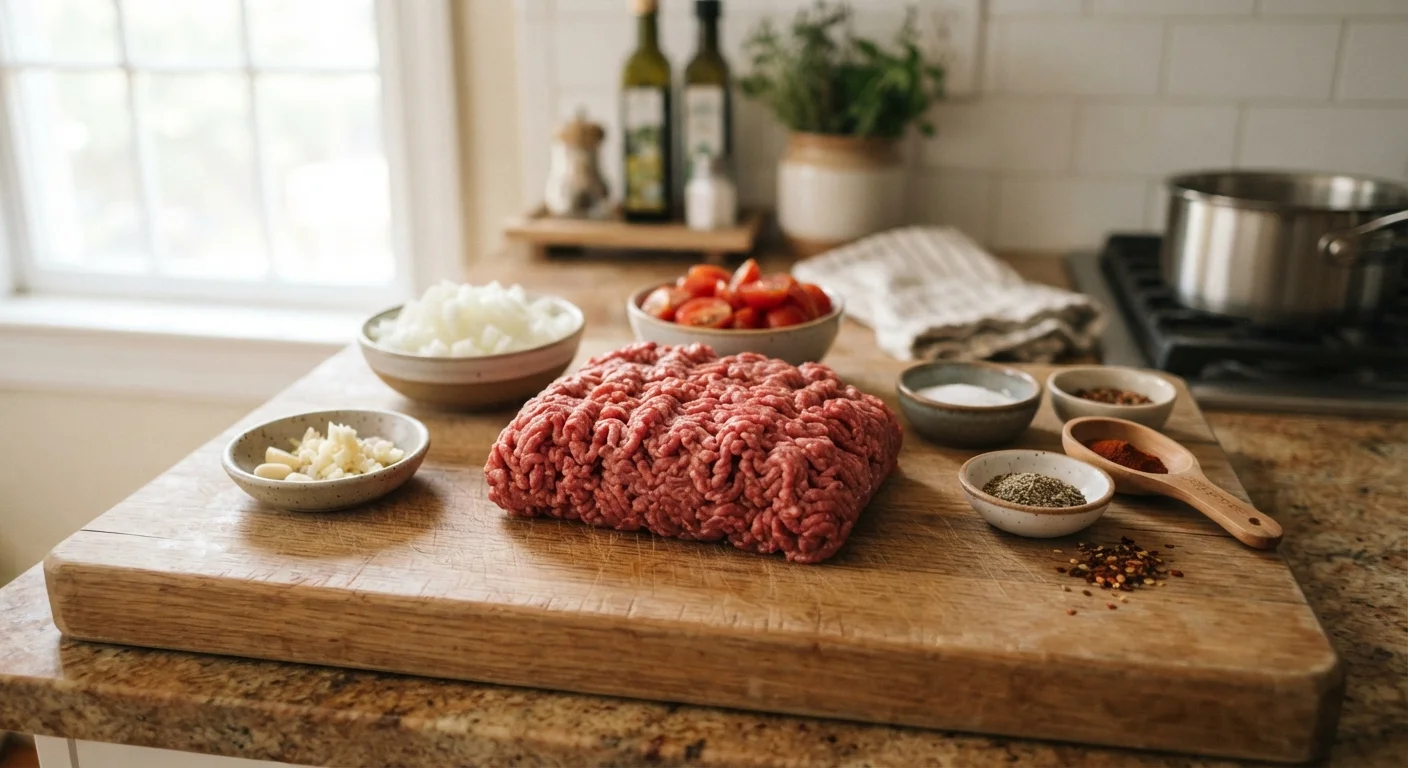
Photo credit: thetastyliving.com
In this article
One pound of ground beef can feed a family for three nights. Here's how to plan, prep, and season it differently each time.
Key Takeaways
- Dividing one pound of ground beef into three portions of roughly five ounces each gives you three separate meals.
- Seasoning each portion differently makes the same protein feel like a completely different dinner each night.
- Pairing the beef with inexpensive pantry staples stretches cost without shrinking the meal.
- Cooking all three portions at once saves time and reduces cleanup across the week.
- Planning the sequence so the heartiest meal comes first helps manage leftovers and freshness.
Why one pound can go further than you think
Ground beef is often treated as a one-meal ingredient: brown a pound, eat it, done. But a pound contains enough protein to anchor three reasonably sized dinners for two adults and two children when you build each meal around affordable supporting ingredients. The beef becomes a flavor base rather than the bulk of the plate.
This approach fits naturally into a broader habit of planning meals at the start of each week, where a single protein purchase does more than one job. It also cuts down on mid-week grocery runs, which tend to add unplanned spending.
The three meals covered here use the same pound of beef in different forms: a simple skillet taco filling on night one, a quick bolognese-style pasta sauce on night two, and a beef and vegetable rice bowl on night three. Each one takes a different seasoning direction so nothing tastes like a repeat.
What you will need
What you need before you start
You do not need specialty tools or hard-to-find ingredients. The list below covers what makes this three-night plan practical rather than theoretical. For a fuller look at which shelf-stable items to keep on hand year-round, see pantry staples that become dinner.
Large skillet or saute pan
Browning all three portions of ground beef in one session.
Kitchen scale or measuring cups
Dividing the pound of beef into roughly equal portions before or after cooking.
Three airtight containers
Storing each seasoned or unseasoned portion safely in the refrigerator.
Medium saucepan
Simmering the tomato-based pasta sauce on night two.
Wooden spoon or spatula
Breaking apart and stirring the ground beef while browning.
How to cook and divide the beef
Cook all three portions on the same evening, ideally the first night you plan to use them. Browning everything at once takes about fifteen minutes and keeps the refrigerator stocked for the nights ahead. Cooked ground beef holds well in the fridge for up to four days, so plan nights two and three within that window.
Divide the raw beef into three portions
Before cooking, use a kitchen scale or eyeball three equal sections directly in the package. Each portion should be roughly 5 to 5.5 ounces. You can cook them in the same pan at the same time since the seasoning happens after cooking, not during.
Brown all the beef in one session
Heat a large skillet over medium-high heat. Add all the beef at once, breaking it apart with a spoon. Cook until no pink remains, about 8 to 10 minutes, then drain off excess fat. There is no need to separate the portions in the pan during cooking.
Portion and store the cooked beef
Once the beef has cooled for a few minutes, divide it evenly into three containers. Label each one if that helps you track which is for which night. Refrigerate immediately and use within four days.
Season and finish each portion on its night
Pull one container from the fridge each evening. Warm the beef in a skillet over medium heat, then add the seasonings specific to that night's meal. Each reheat takes 3 to 5 minutes. Add any wet ingredients (tomato sauce, soy sauce, broth) after the beef is hot to avoid washing out the spices.
Making three meals taste different
The seasoning split is what separates this approach from eating the same dinner three nights in a row. Once the beef is cooked and portioned, each portion gets a different treatment before it hits the table.
Night one (taco filling): Warm the first portion in a skillet with cumin, chili powder, garlic powder, and a splash of water. Serve in tortillas with whatever you have: shredded cabbage, salsa, sour cream, or a squeeze of lime.
Night two (quick pasta sauce): Combine the second portion with canned crushed tomatoes, dried oregano, a pinch of red pepper flakes, and a clove of minced garlic. Simmer for ten minutes and toss with cooked pasta. A handful of grated Parmesan finishes it.
Night three (rice bowl): Stir the third portion into a hot pan with soy sauce, a little sesame oil if you have it, minced ginger, and frozen peas or whatever vegetable is on hand. Serve over cooked rice. The flavors read closer to an Asian-style bowl than anything from nights one or two.
For ideas on filling out these meals with other affordable staples, auditing your pantry before the week starts helps identify what you already have rather than buying extras.
Keeping costs low across all three nights
The beef itself is the biggest per-meal cost. Each supporting dish relies on items that cost very little per serving: dried pasta, canned tomatoes, rice, frozen vegetables, and basic spices. When those items are already in the pantry, the total cost per dinner drops considerably.
Planning nutritionally varied meals from a short grocery list is a practical way to see how a handful of whole-food staples can cover an entire week without redundancy. The same logic applies here: the beef is one line on the grocery list, and the rest of the meals pull from what is already stocked.
Stretching protein this way also fits the principles behind batch cooking for a family of four on a tight weekly budget, where a single prep session reduces both cost and daily cooking time. One pound of beef, cooked once, gives you three nights with almost no weeknight effort.

Author
Dinner & Dessert Editorial Team
Dinner & Dessert Editorial Team is the collective byline for our editorial team and contributor network. Articles published under this byline or an editorial pen name are researched, written, and reviewed according to our editorial standards for clarity, consistency, and independence before publication.
View all articles →