
Kitchen Organization Habits That Actually Reduce Food Waste
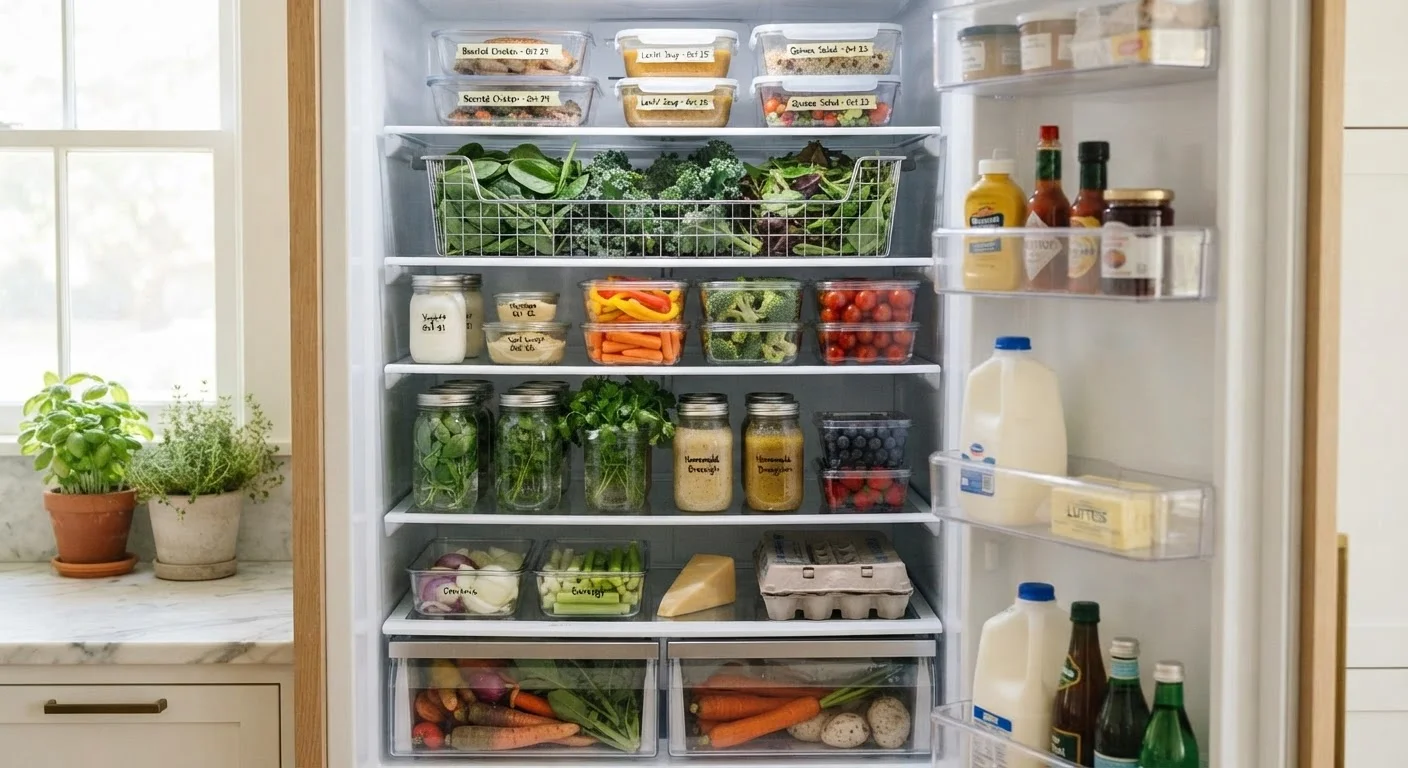
Photo credit: thetastyliving.com
In this article
How you store and arrange food matters as much as what you buy. These organization habits help families use what they have before it spoils.
Key Takeaways
- Placing older food at the front of shelves and drawers consistently cuts spoilage.
- Clear containers let families see what they have before items are forgotten.
- Designating a 'use first' zone in the fridge turns near-expiry food into planned meals.
- Labeling leftovers with dates takes seconds and prevents costly guesswork.
- A well-organized pantry and freezer support meal planning and reduce repeat grocery purchases.
Why organization is a food budget issue
Most food waste in American households does not happen at the grocery store. It happens at home, inside a fridge or pantry where items get pushed to the back, forgotten, and eventually thrown out. The USDA has estimated that American families discard between 30 and 40 percent of the food supply, and a significant share of that loss occurs at the household level.
Organization changes that pattern by making what you already have impossible to ignore. When food is visible and arranged by urgency, it gets eaten. When it is buried, it gets wasted. The habits below are practical, low-cost, and most can be started today. Pairing them with a structured meal planning approach makes both systems more effective.
“The average American family discards roughly 25 percent of the food they bring home. Most of it is not spoiled by accident. It is lost through poor visibility and lack of a system.”
— Dana Gunders, Food waste researcher and author of the Waste-Free Kitchen Handbook
Core organization habits that prevent waste
The following practices address the most common reasons food spoils before it gets used. None require special equipment or a complete kitchen overhaul.
Rotate stock every time you unpack groceries, moving older items to the front.
When newer food goes behind older items, the older food gets buried and spoils before it is used. A consistent rotation habit means the food nearest its expiry date is always the first thing you reach for.
Designate a visible 'use first' zone on one shelf or in one basket.
A dedicated spot for near-expiry items removes the mental work of remembering what needs to go soon. When the household knows to check that spot before cooking, those ingredients get incorporated into meals rather than discarded.
Store food in clear containers and label them with the date they were prepared or opened.
Opaque containers hide food until it is forgotten. A date label removes the guessing and prevents the common habit of opening a container, deciding it might be too old, and throwing it away unnecessarily.
Group pantry items by category and keep the inventory visible rather than stacked in layers.
Stacked cans and hidden jars create duplicate purchases. Families often buy a second jar of something they already have because they could not see the first one. Grouping by category and facing items forward solves this quickly.
Keep a running list of freezer contents on the freezer door or in a simple note on your phone.
Freezers accumulate mystery packages quickly. Without a record, food freezes and stays frozen indefinitely until it develops freezer burn and gets thrown out. A visible list takes moments to maintain and prevents that cycle.
For families who want to build on these habits, auditing your pantry and fridge before writing any grocery list is a natural next step.
Getting started without overhauling everything at once
A full kitchen reorganization feels like a weekend project, but the habits that reduce waste most reliably are small and repeatable. The 'use first' zone and date labeling cost nothing and take under a minute each time. Rotation adds thirty seconds to unpacking groceries.
Your freezer rewards the same attention. A well-organized freezer can reduce grocery spending and prevent freezer burn significantly over a month. Even food scraps, once you have a collection system in place, can become a regular batch of homemade stock instead of a bag of compost.
Food safety and storage temperatures
Organizing your fridge improves visibility, but temperature matters just as much. Refrigerators should stay at or below 40 degrees Fahrenheit, and freezers at 0 degrees Fahrenheit, to keep food safe. If you are ever unsure whether a stored item is still safe to eat, consult the USDA FoodKeeper resource or discard the item. When in doubt, throw it out.
For a wider view of how much household food waste costs families, reviewing the numbers behind food waste and meal planning puts the daily habits above into sharper perspective.

Author
Kitchen Tips & Tricks Editorial Team
Kitchen Tips & Tricks Editorial Team is the collective byline for our editorial team and contributor network. Articles published under this byline or an editorial pen name are researched, written, and reviewed according to our editorial standards for clarity, consistency, and independence before publication.
View all articles →