
Before You Shop: A Meal Planning Checklist for the Week Ahead
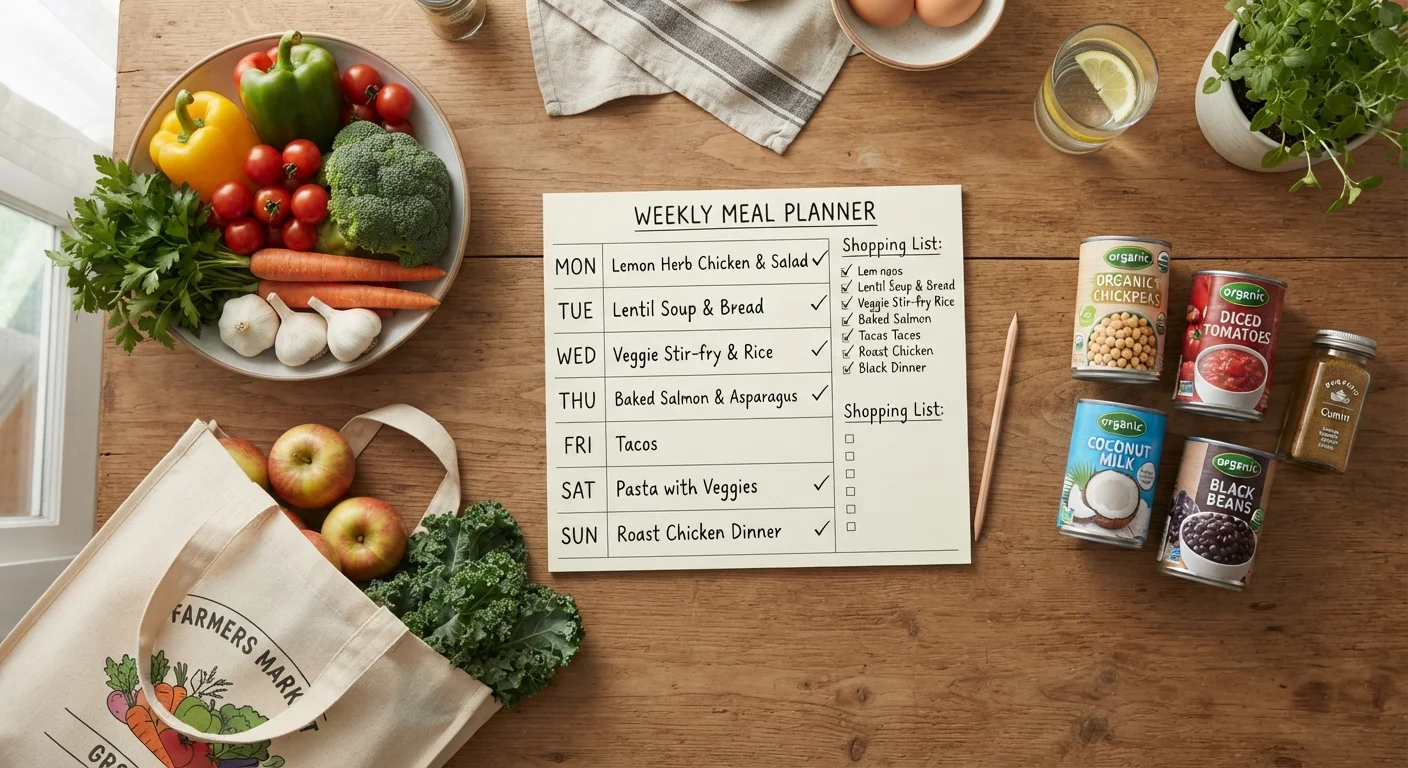
Photo credit: thetastyliving.com
In this article
Use this practical checklist to plan meals, audit your pantry, and build a focused shopping list before every grocery run.
Key Takeaways
- Auditing your pantry, fridge, and freezer before writing a list prevents duplicate purchases and reduces waste.
- Checking store flyers and planning around sales can lower your weekly grocery bill noticeably.
- Assigning meals to specific days reduces decision fatigue and last-minute takeout spending.
- A categorized shopping list organized by store section saves time and limits impulse buys.
- Batch-cooking one or two base ingredients covers multiple meals without extra shopping trips.
Why a pre-shopping checklist saves money
Most grocery overspending happens before you ever reach the store. Without a clear plan, you buy what looks good in the moment, forget what you already have at home, and end up with ingredients that never turn into a meal. A structured checklist interrupts that cycle.
This checklist walks you through four stages: auditing what you own, choosing recipes, building a focused shopping list, and prepping for the week. Work through it once each week, ideally the day before your grocery run. For a broader framework around weekly planning, see the complete guide to weekly meal planning.
Pantry and fridge audit
Recipe and meal selection
Shopping list build
Pre-week prep
Tools that make the process faster
You do not need special software to plan meals well, but a few simple tools reduce friction and help you stay consistent from week to week.
Notepad or printable meal planner template
Records your weekly meal schedule and doubles as a reference during cooking.
Grocery list app or shared notes app
Keeps your shopping list accessible on your phone and lets family members add items in real time.
Store weekly flyer (print or digital)
Shows current sales so you can plan meals around discounted proteins and produce.
Dry-erase board or magnetic notepad for the fridge
Tracks items running low between shopping trips so they carry over to next week's list automatically.
Kitchen scale
Helps you portion proteins accurately so you buy the right amount and reduce waste.
How to use this checklist week after week
Run through the pantry audit first, every time. Skipping it is the most common reason families buy duplicates or let produce spoil. The pantry-first planning approach goes deeper on that single step if your household tends to over-buy.
When selecting recipes, build at least two meals around ingredients that overlap. A rotisserie chicken, for example, can cover a sheet-pan dinner on Monday and a quick soup on Wednesday. For nights when the plan falls apart, having pantry staples that become dinner means you skip the takeout order.
Keep your completed checklist from each week. After a month, you will have a rotating list of meals your family actually ate, which makes future planning faster. Pair the checklist with tips from everyday kitchen tips to build speed and confidence over time.
Avoid planning more meals than your schedule allows
Over-ambitious plans are a common cause of food waste. If your household realistically cooks four nights per week, plan for four dinners, not seven. Leave one or two nights as intentional leftover nights or simple fallback meals. A plan that fits your actual week will save more money than a perfect plan that goes unused.

Author
Meal Planning Basics Editorial Team
Meal Planning Basics Editorial Team is the collective byline for our editorial team and contributor network. Articles published under this byline or an editorial pen name are researched, written, and reviewed according to our editorial standards for clarity, consistency, and independence before publication.
View all articles →