
Batch Cooking Basics: Feeding a Family of Four for Under $75 a Week
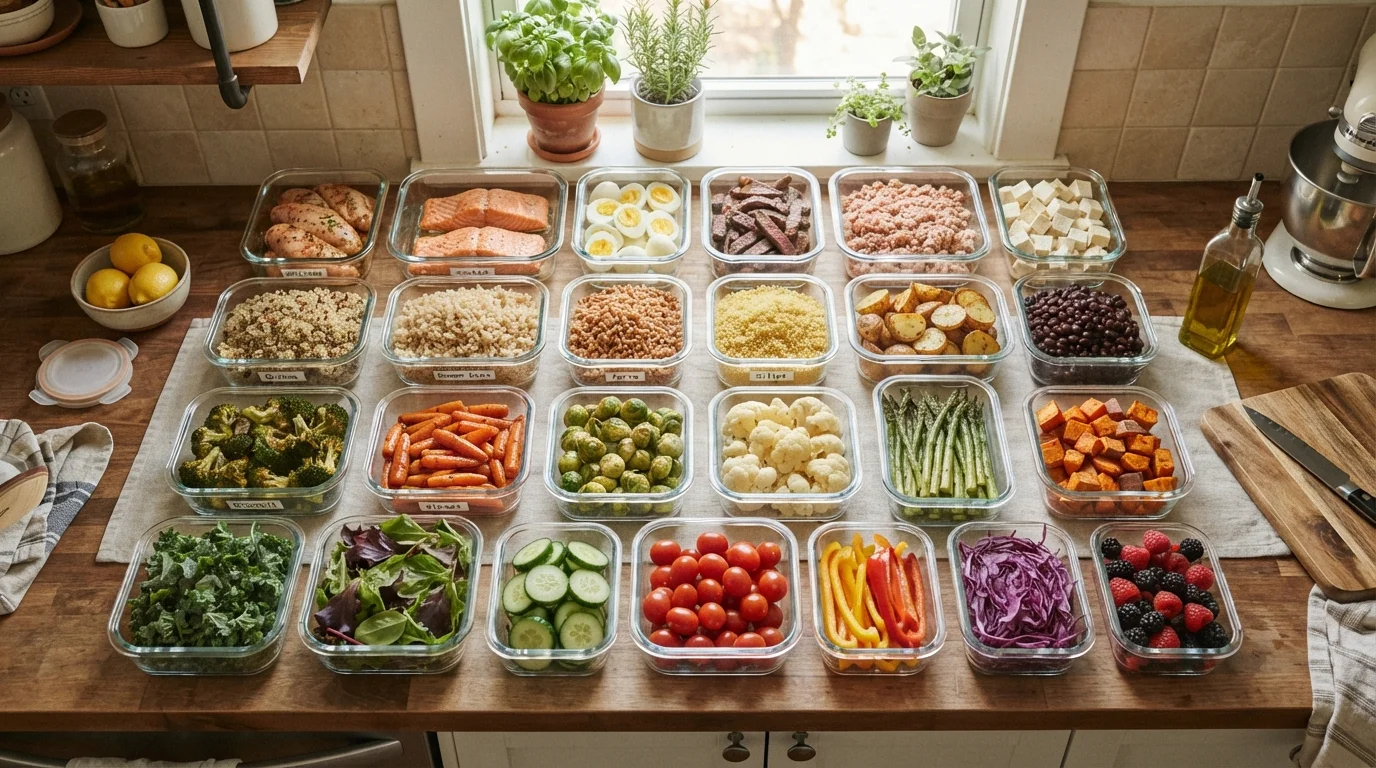
Photo credit: thetastyliving.com
In this article
Batch cooking can lower weekly food spending significantly. Learn the core principles, timing strategies, and storage methods that make it practical.
Key Takeaways
- Batch cooking reduces weeknight cooking time by front-loading prep into one or two sessions.
- A $75 weekly grocery budget is realistic for a family of four when meals are planned around versatile staples.
- Cooking proteins, grains, and vegetables in bulk cuts food waste because components combine into multiple dishes.
- Proper storage, including airtight containers and labeling, extends the usable life of batch-cooked food.
- Choosing five to six base ingredients that work across multiple meals is the fastest way to lower per-serving costs.
What batch cooking actually involves
The core idea is straightforward: spend two to three hours on a weekend day cooking large quantities of food, then draw from those stores all week. A typical session might produce a pot of beans, a tray of roasted chicken thighs, two sheet pans of mixed vegetables, and a large batch of brown rice. From those four components, a family of four can assemble grain bowls, tacos, soups, and stir-fries without starting from scratch on a Tuesday night.
This approach works because cooking time does not scale linearly with quantity. Roasting one sheet pan of broccoli takes roughly the same active effort as roasting three. Boiling two cups of rice takes the same attention as boiling six. The payoff grows with each additional portion you prepare in the same session.
For more on how advance prep reduces weeknight friction, see how mise en place saves money at dinner time.
Building a $75 weekly grocery list
Staying under $75 for four people means choosing ingredients that appear in more than one meal. A useful mental filter: before adding anything to the cart, ask whether it serves at least two different dishes that week.
A practical starting framework:
- Two pounds of a budget protein cut (chicken thighs, ground turkey, or canned tuna)
- Two to three pounds of dried beans or lentils, or several cans if time is short
- A five-pound bag of rice or another whole grain
- Four to five types of seasonal produce, chosen for density and shelf life
- Eggs (a dozen or more, since they fill gaps in any meal)
- A small selection of pantry staples: olive oil, canned tomatoes, and basic spices
Produce choices have an outsized effect on the total. Cabbage, carrots, sweet potatoes, frozen spinach, and frozen peas typically cost far less per pound than fresh asparagus or cherry tomatoes, and they hold up better through the week. Building balanced meals from a short grocery list covers how to get nutritional variety from a concise, affordable set of ingredients.
$1,300+
Average monthly food spending for a family of four
According to USDA food cost reports, a family of four on a moderate-cost plan spends over $1,300 per month on food, making budget strategies like batch cooking consequential at scale.
30-40%
Share of household food that goes to waste
The USDA estimates that American households discard roughly 30 to 40 percent of the food supply, much of it from produce and proteins that were not used before spoiling.
2-3 hrs
Typical weekly batch cooking session length
Most families report completing a full week's worth of batch cooking in two to three hours when sessions are planned in advance with a clear ingredient list.
Timing and sequencing a cook session
The difference between a productive batch session and an exhausting one is sequencing. Start whatever takes the longest first. Dried beans need an hour or more on the stove; put them on before anything else. Grains go in next. While those cook hands-free, chop and season the vegetables, then load the sheet pans into the oven.
Proteins that share an oven temperature with the vegetables go on the same rack or the one below. Chicken thighs roasting at 400 degrees Fahrenheit work alongside most root vegetables. By the time the beans finish, the oven items are often done too.
A realistic two-hour session for a family of four might look like this:
- Soak and start dried beans (or rinse canned beans and set aside)
- Measure and start cooking a large batch of rice or farro
- Chop all vegetables for the week while grains cook
- Load sheet pans with vegetables and protein; roast for 30 to 40 minutes
- Cool everything on the counter, then portion into labeled containers
If the oven is already doing heavy work, a slow cooker or a second burner can run a soup or braise simultaneously. For a comparison of how different appliances fit into this kind of session, see slow cooker vs. Instant Pot for budget family cooking.
Storage methods that protect your investment
Food that spoils before it gets eaten erases the savings batch cooking creates. The two most common causes of premature spoilage are storing food while it is still warm and using containers that let air in.
Let cooked food cool to room temperature before sealing, but do not leave it out for more than two hours total. Transfer to airtight glass or BPA-free plastic containers. Label each container with the contents and the date it was cooked. When the refrigerator is organized clearly, family members can serve themselves without guesswork, which also reduces waste.
Freeze anything that won't be used within four days. Cooked beans, soups, and ground meat freeze well. Portion them in amounts your family will actually use in one sitting so you are not thawing more than you need. A good rule: freeze in one-cup or two-cup portions for soups and beans, and in single-meal weights for proteins.
Label everything before it goes in the fridge
A simple masking tape label with the dish name and the date cooked takes ten seconds and prevents guesswork later in the week. When containers are clearly marked, family members can help themselves confidently, and nothing gets forgotten until it spoils. Use a permanent marker or a label maker if masking tape doesn't stick to your containers.
For a broader look at how batch cooking fits into a repeatable weekly system, a family-focused meal planning framework offers a step-by-step structure you can adapt to your household's schedule.
Frequently Asked Questions

Author
Dinner & Dessert Editorial Team
Dinner & Dessert Editorial Team is the collective byline for our editorial team and contributor network. Articles published under this byline or an editorial pen name are researched, written, and reviewed according to our editorial standards for clarity, consistency, and independence before publication.
View all articles →