
Appetizer Planning for Parties Without the Stress or Overspending
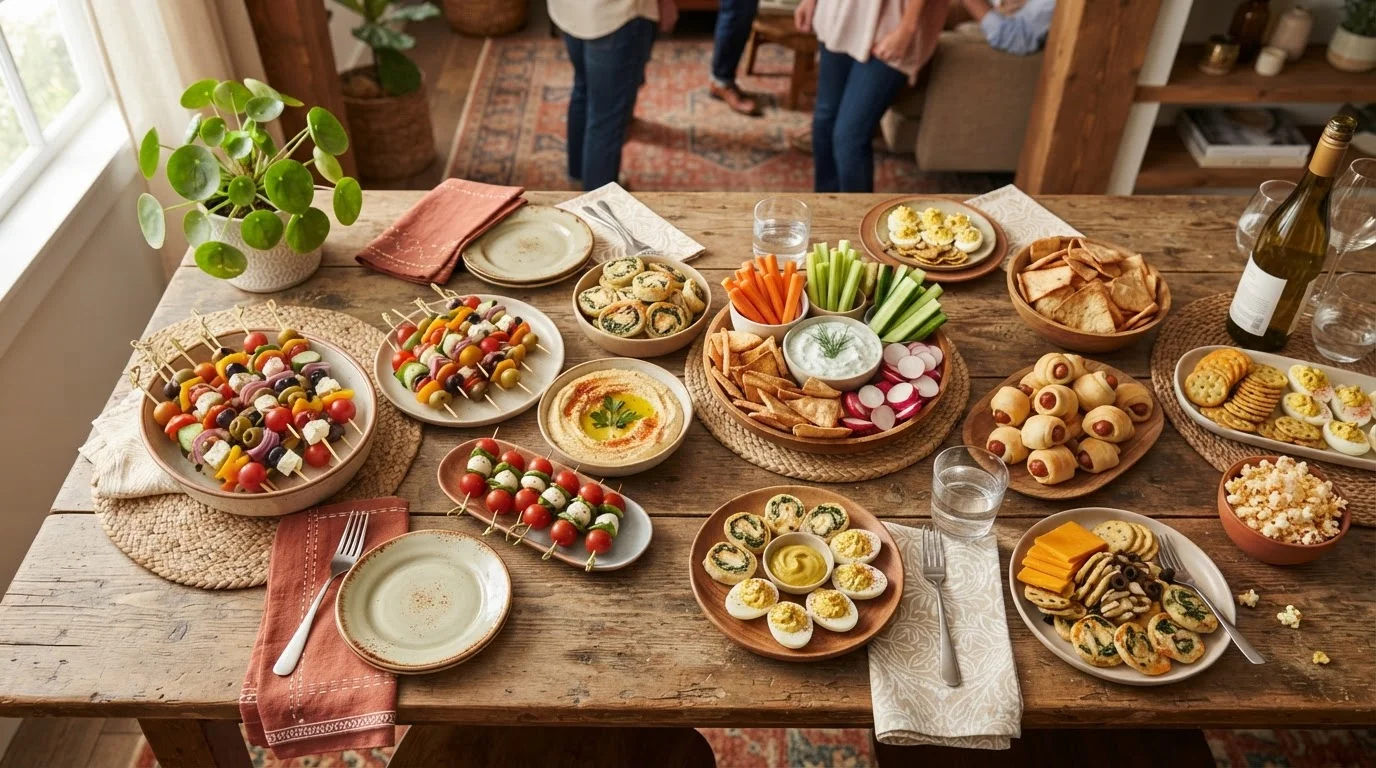
Photo credit: thetastyliving.com
In this article
A complete walkthrough of planning party appetizers on a budget, from portion sizing to smart ingredient choices that cut waste and cost.
Key Takeaways
- A realistic headcount and per-person portion estimate are the two numbers that prevent overspending.
- Centering your menu on pantry staples and seasonal produce keeps ingredient costs predictable.
- Prepping components a day ahead reduces both food waste and last-minute scrambling.
- Choosing one or two cooking formats (such as sheet pan) simplifies the spread without sacrificing variety.
- Over-buying is the most common budget mistake, not under-cooking.
Start with a headcount and a number
Every successful appetizer plan begins with two concrete pieces of information: how many people are coming and roughly how much you want to spend per person. Without those anchors, grocery shopping turns into guesswork and you end up with too much of the wrong things.
A practical rule of thumb for a party where appetizers are the main event is six to eight bite-sized pieces per person per hour. If a full dinner follows, cut that to three or four pieces per person. Once you have your guest count, multiply to get a total piece count, then work backward to figure out how many recipes you need and in what quantities.
For most families hosting eight to twelve guests, a budget of around three to five dollars per person covers a satisfying spread when you plan around affordable ingredients. That figure is a starting point, not a guarantee, because ingredient prices vary by region and season. The goal is to set a ceiling before you shop, not after.
For a deeper look at what actually drives cost up or down, this breakdown of appetizer affordability factors covers the details worth knowing before you finalize your menu.
Choose a format that does the work for you
The format of your appetizer spread affects both your workload and your grocery bill. A platter-style spread with dips, crudites, and simple bites requires less active cooking time than individual hot appetizers and typically costs less per serving.
Sheet pan cooking is one of the most efficient formats for home cooks. You can roast vegetables, mini meatballs, or stuffed mushrooms all at once with minimal cleanup and very little hands-on time. Sheet pan appetizers are worth exploring if you want maximum output from minimum effort.
Cold spreads work well alongside one or two warm items. A platter anchored by hummus, sliced vegetables, and pita wedges costs little and looks generous on the table. If you want to include a cheese component, cheese boards can be assembled affordably when you choose the right quantities and fill with lower-cost accompaniments like grapes, crackers, and pickles.
Mix hot and cold to ease your schedule
Plan at least two cold items for every one hot appetizer. Cold components require no oven time on party day, which frees up heat and attention for whatever needs to be served warm. This balance also makes the spread feel more varied without adding complexity.
Build your menu around inexpensive ingredients
The most budget-friendly appetizers share a common trait: they lean on ingredients that are cheap by the unit but carry a lot of flavor. Dried beans, canned chickpeas, eggs, block cheese (rather than pre-shredded), seasonal vegetables, and frozen proteins all fall into this category.
Dried or canned legumes are particularly useful. A can of white beans blended with olive oil, lemon, and garlic becomes a smooth dip in minutes. Canned chickpeas roasted with paprika and cumin become a crunchy, protein-rich snack. Both cost under two dollars per batch and serve a crowd.
Eggs are another underused appetizer base. Deviled eggs, mini frittata cups baked in a muffin tin, and egg salad on crostini all look polished while staying inexpensive. The same logic applies to bread-based appetizers: a baguette sliced thin and toasted can carry dozens of different toppings for a fraction of what pre-made crostini cost.
A ready reference for pulling pantry items into quick appetizers is available at pantry staples that double as appetizer ingredients.
Prep ahead to cut waste and stress
Advance preparation is where budget planning becomes real. When you chop vegetables, mix dips, and par-cook proteins the day before, you use exactly what you need and avoid the chaos that leads to impulse grocery runs.
Most dips and spreads taste better after sitting overnight in the refrigerator. Hummus, tzatziki, bean dips, and tapenade all fall into this category. Preparing them a day ahead means one less task on party day and often better flavor.
Vegetables can be cut, stored in water in sealed containers, and held in the refrigerator for up to 24 hours without losing texture. Proteins like mini meatballs or stuffed mushrooms can be assembled and refrigerated unbaked, then popped in the oven an hour before guests arrive.
The professional kitchen habit of setting out every prepped component before cooking, often called mise en place, applies directly here. Mise en place on a budget explains how this simple habit stretches ingredients further and reduces costly mistakes during a busy cook.
Common mistakes that quietly drain your budget
Over-buying is the single most common budget problem with appetizer planning. It usually happens when hosts plan for worst-case consumption without a portion estimate to check against. Buying two extra blocks of cheese, a second bag of chips, or a backup tray of something that never gets opened adds up fast.
Another frequent issue is serving too many different items. A spread of ten different appetizers sounds generous, but it means buying small quantities of many ingredients, which rarely lets you take advantage of bulk pricing and often leaves partial packages that go to waste. Four to five well-chosen items, made in sufficient quantity, almost always work better than a wide variety of small amounts.
Skipping a written shopping list is a smaller but real risk. Without one, it is easy to grab the wrong size of an ingredient or duplicate something you already have at home. A list tied directly to your recipes and portion estimates keeps the trip focused.
Common portion and prep mistakes that waste money covers these pitfalls in more detail, with specific examples worth reviewing before a large gathering.
For families weighing whether to make appetizers from scratch or buy pre-made options, a cost comparison of frozen versus homemade appetizers provides a practical breakdown by situation.
Putting it all together
A workable appetizer plan fits on one page. Write down your guest count, your per-person portion target, your total budget, and then list four to five recipes anchored in inexpensive ingredients. Assign quantities to each recipe based on your portion estimate, build a shopping list from those quantities, and schedule any prep work for the day before.
That structure handles most parties without surprises. When the menu is planned rather than improvised, you spend less, waste less, and have more time to enjoy the gathering.
For broader meal planning habits that support this kind of organized approach, meal planning basics is a useful starting point for families who want to apply the same thinking to everyday cooking.
6-8
Pieces per person per hour (appetizers as main)
A commonly used catering rule of thumb for events where appetizers substitute for a full meal.
$3-5
Estimated per-person appetizer budget for home parties
A practical starting range for families using pantry staples and seasonal produce, though actual costs vary by region.
4-5
Ideal number of distinct appetizer items per spread
Fewer items in larger quantities typically reduces waste and allows for better bulk pricing on ingredients.

Author
Appetizers Editorial Team
Appetizers Editorial Team is the collective byline for our editorial team and contributor network. Articles published under this byline or an editorial pen name are researched, written, and reviewed according to our editorial standards for clarity, consistency, and independence before publication.
View all articles →