
Pantry-First Planning: Building Meals Around What You Already Have
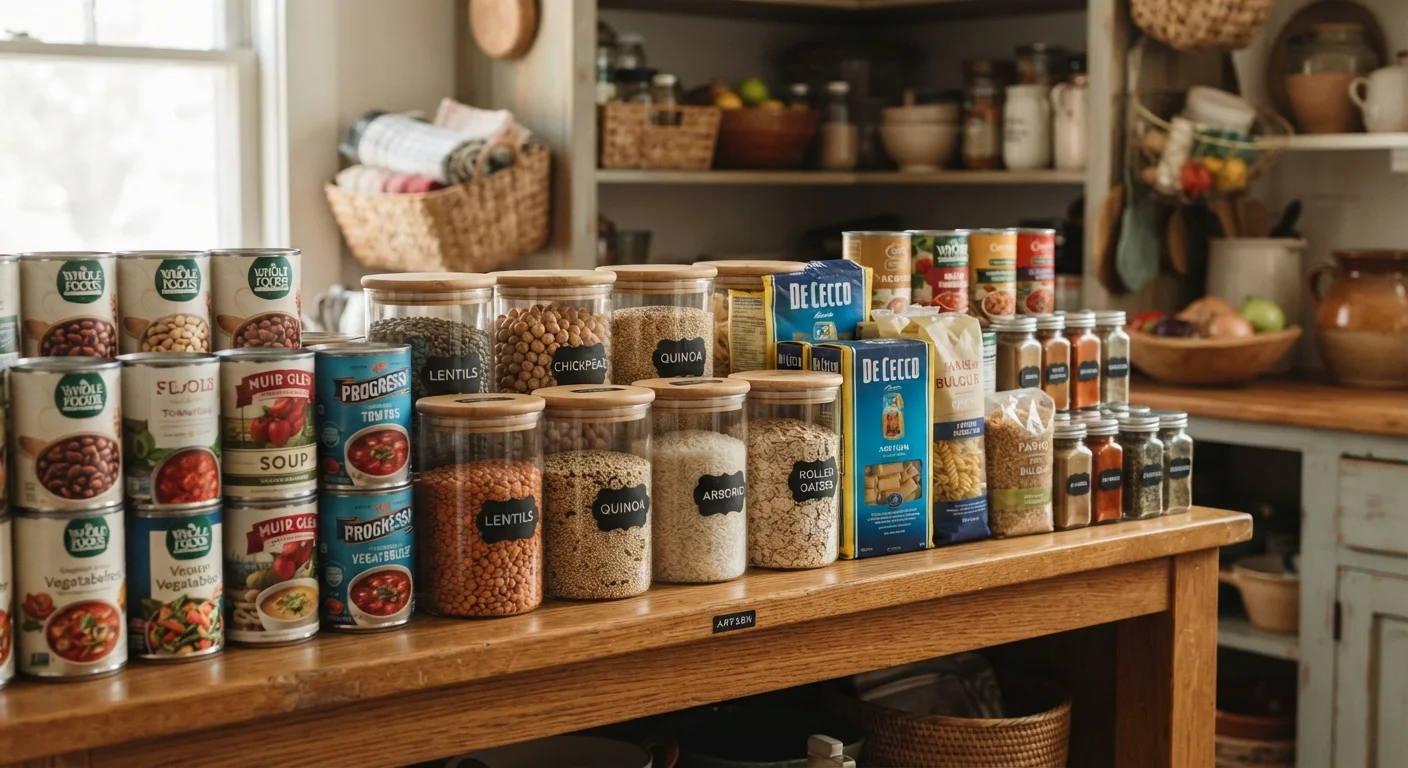
Photo credit: thetastyliving.com
In this article
Learn how to audit your pantry, fridge, and freezer before writing any grocery list, so you spend less and waste less each week.
Key Takeaways
- Auditing your pantry, fridge, and freezer before writing any grocery list prevents duplicate purchases and reduces food waste.
- Grouping what you already have into proteins, starches, and vegetables reveals more complete meals than most families expect.
- Writing a grocery list only after the pantry audit keeps shopping focused and spending lower.
- Perishables and items near their expiration dates should anchor the week's first meals to avoid spoilage.
- Repeating this process weekly builds a habit that compounds savings over time.
Why start with the pantry instead of a recipe
Most families write a grocery list by picking recipes first. The result is a cart full of ingredients, some of which duplicate what is already on the shelf at home. Food gets wasted, money disappears, and the pantry grows into an unnavigable accumulation of half-used cans and forgotten grains.
Pantry-first planning reverses that sequence. You audit what you already own, build meals around it, and only write a grocery list for the genuine gaps. The facts about household food waste show that families discard a meaningful share of their food budget each year, and a large portion of that waste starts with buying what was already in the cupboard.
This approach also pairs naturally with a pre-shopping checklist that keeps every grocery run focused. The steps below give you a repeatable framework for doing the audit correctly each week.
What you need before you start
The audit itself requires no special equipment, but a few tools make it faster and more accurate.
Notepad or a notes app
Records what you find in each storage area so nothing is forgotten when building the meal plan.
Pen or marker
Labels unlabeled freezer items and dates opened containers during the audit.
Small trash bag
Collects expired or unusable items removed during the pantry and fridge check.
Masking tape
Creates quick, removable labels for unlabeled freezer bags and containers.
With these items ready, set aside 20 to 40 minutes before your usual shopping day. Sunday morning or Saturday evening tends to work well for families because the week's schedule is already known.
What you will need
The step-by-step pantry audit
Follow each step in order. Skipping the physical check in favor of memory is the most common reason the audit fails to surface useful ingredients.
Clear and categorize the pantry
Pull everything off one shelf at a time and sort items into categories: canned goods, dried grains and legumes, pasta and rice, condiments, oils, and baking supplies. Do not skip condiments; they often contain acids, fats, and flavor bases that reduce the need to buy separate ingredients.
As you go, set aside anything that is expired or clearly unusable. Place everything else back in visible, grouped order so nothing hides behind another item for the rest of the week.
Check the refrigerator by zone
Open the fridge and work zone by zone: top shelf, middle shelf, crisper drawers, door shelves, and the deli or meat drawer. Write down what is there rather than trying to remember it later.
Pay particular attention to the crisper drawers. Produce that has started to soften is still usable in soups, stir-fries, roasted dishes, and sauces. A wilting bell pepper and two limp carrots can anchor a full sheet pan dinner. See when sheet pan dinners work well for guidance on which vegetable combinations hold up in the oven.
Inventory the freezer
Remove items from the freezer and list them with approximate quantities. Proteins are the most valuable find here: a bag of chicken thighs, a pound of ground beef, or frozen shrimp can each anchor two to three meals. Frozen vegetables and leftover cooked grains are equally useful.
Your freezer is a real resource for reducing weekly spending. The guide on using your freezer to reduce food waste covers how to organize it so nothing gets buried and forgotten.
Write a consolidated ingredient list
Combine the pantry, fridge, and freezer notes into one master list. Group by category: proteins, vegetables, starches and grains, dairy and eggs, condiments and flavor builders. This consolidated view shows you what meal combinations are actually possible before you spend a single dollar.
Note quantities where they matter. Half a cup of dried lentils is not enough for a full batch of soup; two cans of crushed tomatoes are. Accurate quantities prevent the frustration of planning a meal you cannot actually finish.
Identify gaps and write a focused grocery list
Review your consolidated list and decide which meals you want to make this week. For each meal, note only the ingredients you do not have. That remainder is your grocery list. Keep it short and specific: a quantity and a category ("2 lbs chicken thighs", "one bunch kale") rather than vague entries that lead to over-buying.
If your pantry audit is complete and your grocery list is still long, consider whether the week's planned meals are more complex than your schedule allows. Simpler meals built from what you have are more likely to get cooked than ambitious recipes that require many fresh ingredients. A family-focused meal planning framework can help you match complexity to your actual weekly schedule.
Turning your audit into a meal plan
Once the audit is complete, group your ingredients into three columns on paper or a document: proteins, starches, and vegetables. A typical pantry audit surfaces more complete meal combinations than families expect. One can of chickpeas, a box of pasta, and two aging zucchini becomes pasta e fagioli or a quick pasta primavera. Ground beef pulled from the freezer covers multiple dinners; the article on stretching a pound of ground beef across three weeknight dinners shows exactly how to season and serve it differently each night.
Assign perishables and items closest to their use-by dates to the first two days of the week. Canned goods, dried legumes, and frozen proteins can anchor the second half. This sequencing alone cuts spoilage noticeably for most households.
When gaps remain after matching proteins, starches, and vegetables, write those gaps down as your grocery list. That list should be short. If it is not, check whether any pantry item can substitute for a missing ingredient. Understanding the four levers of everyday flavor helps here: a different acid or fat can often replace a specific ingredient the recipe calls for without a separate purchase.
For a fuller picture of how to build nutritionally complete meals from a short list, see building a week of balanced meals from a short grocery list. And if you want a reference for which staples cover the most nutritional ground per dollar, pantry staples that cover your nutritional bases is a useful companion.

Author
Meal Planning Basics Editorial Team
Meal Planning Basics Editorial Team is the collective byline for our editorial team and contributor network. Articles published under this byline or an editorial pen name are researched, written, and reviewed according to our editorial standards for clarity, consistency, and independence before publication.
View all articles →