
Nutrient Density Explained: Getting More Nutrition Per Dollar Spent
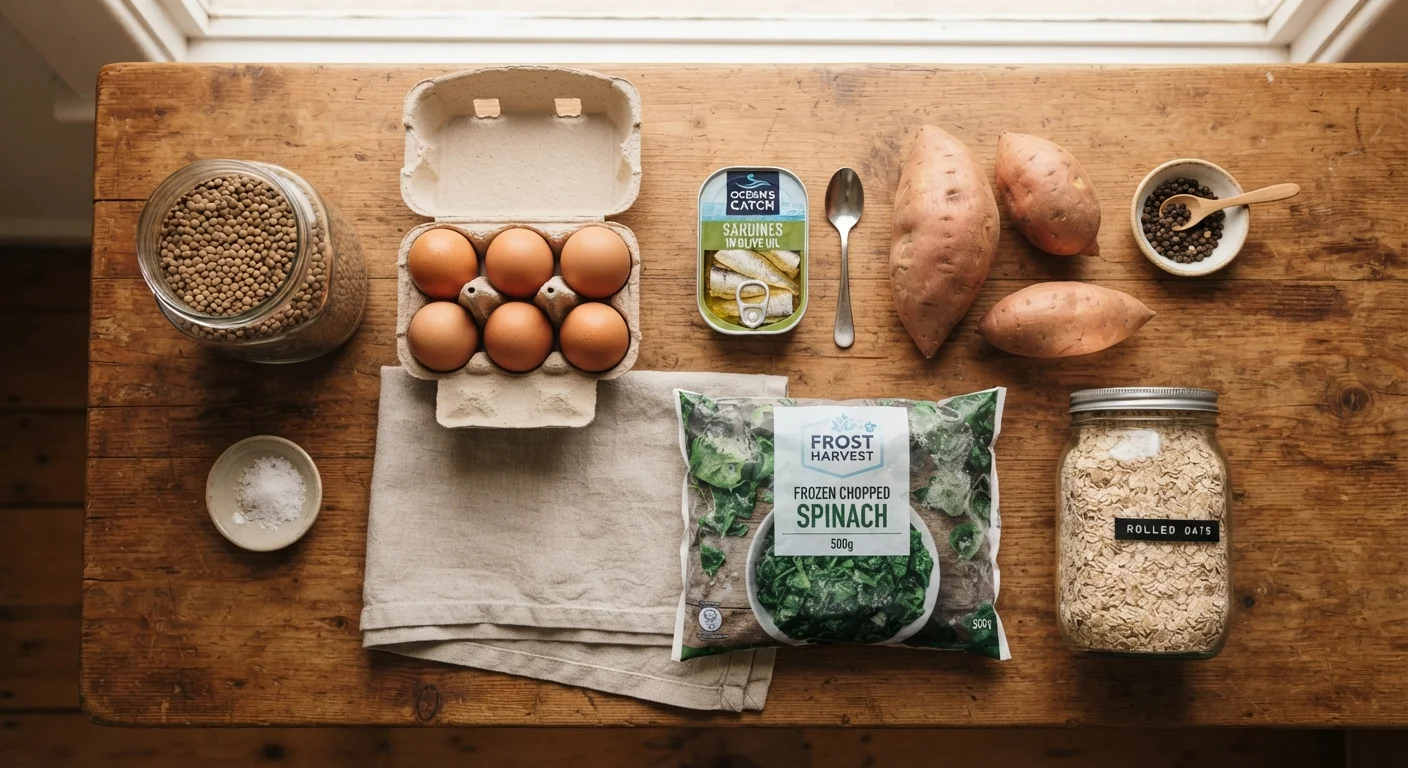
Photo credit: thetastyliving.com
In this article
Understand what nutrient density means, which affordable foods rank high, and how to use this concept to build healthier, cheaper meals.
Key Takeaways
- Nutrient density measures how much nutrition a food delivers per calorie, not per dollar.
- Many of the most nutrient-dense foods are among the least expensive at any US grocery store.
- Eggs, lentils, frozen vegetables, oats, and canned fish consistently rank high on nutrition per dollar.
- Pairing nutrient-dense staples together in one meal multiplies their combined nutritional value.
- Processed foods with long ingredient lists often deliver fewer nutrients per calorie despite low price tags.
- This article provides general nutrition information and is not a substitute for advice from a registered dietitian or doctor.
What nutrient density actually measures
When you look at a food label, you see calories. Nutrient density adds a second lens: what does each calorie bring with it? A can of cola and a cup of cooked lentils can have similar calorie counts, but lentils deliver protein, folate, iron, and fiber alongside those calories. The cola delivers almost none of those things.
This comparison is not about shaming any particular food. It is a practical framework for deciding where your grocery dollars do the most nutritional work. Families eating on a budget face real constraints, and nutrient density gives them a way to evaluate trade-offs without relying on marketing claims or expensive health products.
The United States Department of Agriculture and the Dietary Guidelines for Americans both use nutrient density as a core concept in guidance about healthy eating patterns. The idea is consistent across decades of nutrition research: getting more vitamins, minerals, protein, and fiber per calorie consumed produces better long-term health outcomes than focusing on calories alone.
Nutrient density is not the only factor
Nutrient density is a useful comparison tool, but it does not account for individual calorie needs, food allergies, cultural food preferences, or medical dietary restrictions. A food that scores well on nutrient density may not be appropriate for everyone. General nutrition information like this is a starting point, not a personal prescription. Always consult a healthcare professional for guidance tailored to your situation.
Why affordable foods often win on nutrition
A persistent myth is that nutritious food costs more. The data does not support this across the board. Dried lentils, canned beans, eggs, oats, frozen spinach, and sweet potatoes are among the least expensive items in any US grocery store, and each one delivers a broad range of nutrients. These foods were staple proteins and carbohydrates long before the era of fortified cereals and protein powders, and they remain nutritionally dependable today.
Processed convenience foods often carry a lower sticker price per package, but the cost per serving and the nutrition per calorie both tend to be unfavorable. A bag of chips and a bag of dried black beans may cost a similar amount, but the beans yield far more servings and far more protein, fiber, and micronutrients per dollar spent.
For a practical look at protein specifically, see our guide to affordable protein sources covering eggs, legumes, canned fish, and more. The same logic of cost-per-nutrient applies across every food category.
$0.18
Estimated cost per serving of dried lentils
Based on average US retail prices for dried lentils, which typically yield around 11 cooked servings per one-pound bag sold for approximately $2.
6g
Protein per large egg
The USDA FoodData Central database lists approximately 6 grams of complete protein in a single large egg, making eggs one of the most cost-effective protein sources per gram available.
90%+
Vitamin C retention in frozen vegetables
Research published in food science literature has found that commercially frozen vegetables retain the large majority of their vitamin C content when stored properly and cooked from frozen.
How to use nutrient density when grocery shopping
You do not need a calculator or a nutrition app to apply this concept at the store. A few practical rules cover most situations.
First, prioritize whole or minimally processed forms of food when the price difference is small. Rolled oats cost less than instant flavored oatmeal packets, and they have no added sugar. Canned tomatoes cost less than jarred pasta sauce and have no added sodium or oil. The less a food is processed, the more its original nutrients tend to be intact.
Second, frozen vegetables are nutritionally comparable to fresh ones. Freezing happens shortly after harvest, which preserves vitamins well. Frozen spinach, peas, corn, and edamame are consistently affordable and nutritionally strong choices for family meals.
Third, consider cost per serving rather than cost per package. A dozen eggs may cost more than a single-serve snack bag, but eggs yield 12 protein-rich servings. Dried lentils follow the same pattern: one pound of dry lentils expands significantly when cooked and costs very little.
For a broader framework on building meals from these staples, the guide to building a week of balanced meals walks through practical planning with a short grocery list. And if you want a quick reference organized by nutrient, the pantry staples guide covers which affordable foods cover your biggest nutritional bases.
Putting nutrient density to work in everyday meals
Nutrient density is most useful when applied at the meal level, not just the individual food level. Pairing complementary foods multiplies the nutritional return. A bowl of cooked oats with a sliced banana and a handful of walnuts covers fiber, potassium, and healthy fats in one low-cost meal. A pot of lentil soup with canned tomatoes and frozen kale covers protein, iron, vitamin C, and folate together.
Vitamin C from a food like tomatoes or bell pepper actually improves the body's absorption of plant-based iron from foods like lentils and spinach. This is a real, documented interaction that costs nothing to take advantage of and works in everyday cooking.
The evidence-based look at whole foods on a budget goes deeper into what nutrition research actually says about these combinations and why supplements rarely outperform well-paired whole foods on cost or effectiveness.
Families looking for affordable dinner ideas that put these principles into practice will find the dinner and dessert section a useful starting point for meal inspiration built around real, affordable ingredients.
This article is for general informational purposes only and is not medical or dietary advice. Consult a registered dietitian or qualified healthcare professional for guidance specific to your health needs or those of your family.
Frequently Asked Questions

Author
Nutrition Editorial Team
Nutrition Editorial Team is the collective byline for our editorial team and contributor network. Articles published under this byline or an editorial pen name are researched, written, and reviewed according to our editorial standards for clarity, consistency, and independence before publication.
View all articles →