
Pantry Staples That Cover All Your Nutritional Bases
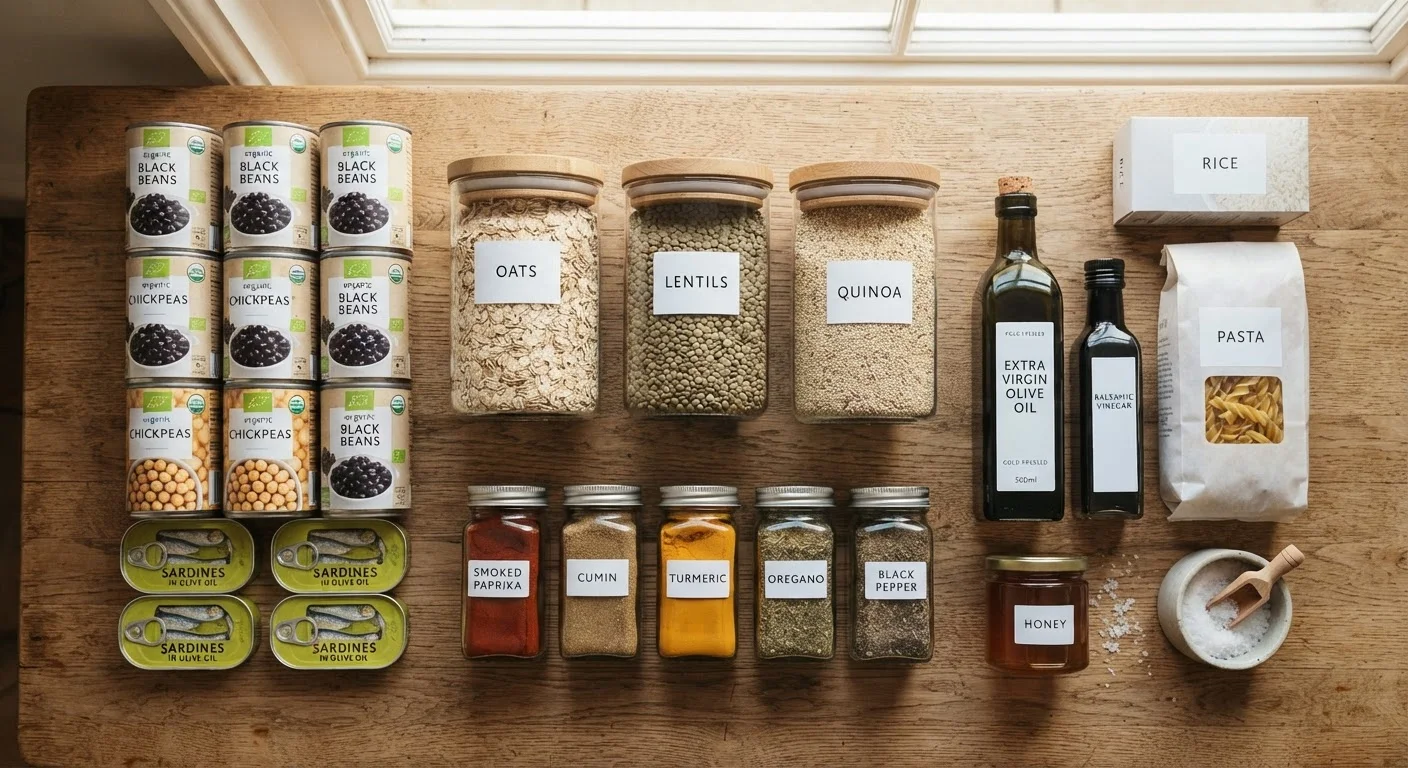
Photo credit: thetastyliving.com
In this article
A quick-reference guide to affordable pantry staples, organized by the key nutrients they provide, from protein to iron to fiber.
Why pantry nutrition matters
Most nutritional gaps in American family diets come down to what is not in the house when it is time to cook. A pantry stocked with the right shelf-stable foods removes that barrier. The items below are organized by the primary nutrient they supply, though nearly all of them deliver several nutrients at once. None of this is medical advice; if you have specific health conditions or concerns, consult a registered dietitian or your healthcare provider.
For practical ways to turn these ingredients into full dinners, see pantry staples that become dinner. For tips on auditing what you already own before buying more, see pantry-first meal planning.
| Cost-effective protein | Dried lentils, canned beans, canned tuna |
| Best fiber sources | Rolled oats, split peas, canned black beans |
| Iron-rich pantry items | Canned white beans, fortified cereal, dried lentils |
| Calcium on a budget | Canned sardines with bones, evaporated skim milk |
| Healthy fat sources | Olive oil, peanut butter, canned salmon |
| Vitamin C for iron absorption | Canned tomatoes, shelf-stable orange juice |
Protein sources
Canned or dried legumes (black beans, pinto beans, chickpeas, lentils) are the most cost-effective protein staples available in US grocery stores. A half-cup serving of cooked lentils supplies roughly 9 grams of protein along with iron and folate. Canned tuna, salmon, and sardines add complete protein (meaning all essential amino acids are present) and omega-3 fatty acids. Dried split peas cook without soaking and are among the most fiber-dense legumes available.
Eggs, though refrigerated, belong in any budget nutrition plan because of their protein quality and versatility. For a detailed breakdown of low-cost protein options, see stretching your grocery dollar with protein.
Carbohydrates, fiber, and B vitamins
Rolled oats are one of the most nutrient-dense grains per dollar. They provide soluble fiber (specifically beta-glucan), which supports healthy cholesterol levels according to well-established nutrition research. Brown rice and whole-wheat pasta add insoluble fiber and B vitamins, particularly niacin and thiamin. Canned tomatoes (no added salt versions are widely available) contribute vitamin C, potassium, and lycopene. Whole-grain crackers and corn tortillas round out the carbohydrate category at low cost.
Complete protein
A protein source that contains all nine essential amino acids in adequate amounts. Animal proteins such as eggs and canned fish are complete; most plant proteins are not, but combining different plant sources across the day meets the same need.
Non-heme iron
The form of iron found in plant foods and fortified products, as opposed to heme iron in meat. The body absorbs non-heme iron less efficiently, but pairing it with vitamin C in the same meal improves uptake.
Beta-glucan
A type of soluble dietary fiber found in oats and barley. Consistent intake is associated with modest reductions in LDL cholesterol, according to findings recognized by nutrition researchers and public health bodies.
Fat-soluble vitamins
Vitamins A, D, E, and K, which the body stores in fatty tissue and the liver rather than excreting daily. Because they require dietary fat for absorption, they are best consumed alongside a fat-containing food.
Omega-3 fatty acids
A group of polyunsaturated fats found in fatty fish, walnuts, and flaxseed. They are considered essential because the body cannot produce them in sufficient amounts on its own.
Iron, calcium, and fat-soluble vitamins
Iron is frequently under-consumed in budget diets. Canned white beans and fortified breakfast cereals are practical sources. Pairing plant-based iron with a vitamin C source, such as canned tomatoes or a small glass of orange juice, improves the body's absorption of non-heme (plant-sourced) iron. Canned sardines with bones and evaporated skim milk are affordable calcium sources that store well. Shelf-stable fortified plant milks provide calcium and vitamin D for households that avoid dairy.
Olive oil, canola oil, and canned fish supply fat-soluble vitamins A, D, E, and K, which the body needs dietary fat present to absorb. Nut butters (peanut, almond) add vitamin E and healthy unsaturated fats. These same staples work well as appetizer components; see pantry staples that double as appetizer ingredients for ideas.
Building a week of meals from this list
A short grocery list built around legumes, canned fish, whole grains, canned vegetables, and a cooking oil can realistically supply protein, fiber, iron, B vitamins, and healthy fats every day. The article building a week of balanced meals from a short grocery list walks through exactly how to arrange these ingredients across lunches and dinners without repetition.
Variety within the pantry itself helps. Rotating between lentils, chickpeas, and canned salmon across the week provides a broader amino acid and mineral profile than relying on one protein source alone. Seasoning with dried herbs and spices adds no meaningful calories but encourages eating a wider range of plant foods, which nutrition research consistently associates with diet quality.
This article is for general informational purposes only and is not a substitute for personalized medical or dietary advice. Consult a qualified healthcare professional for guidance specific to your health situation.

Author
Nutrition Editorial Team
Nutrition Editorial Team is the collective byline for our editorial team and contributor network. Articles published under this byline or an editorial pen name are researched, written, and reviewed according to our editorial standards for clarity, consistency, and independence before publication.
View all articles →