
Simple Finger Foods New Cooks Can Pull Off Confidently
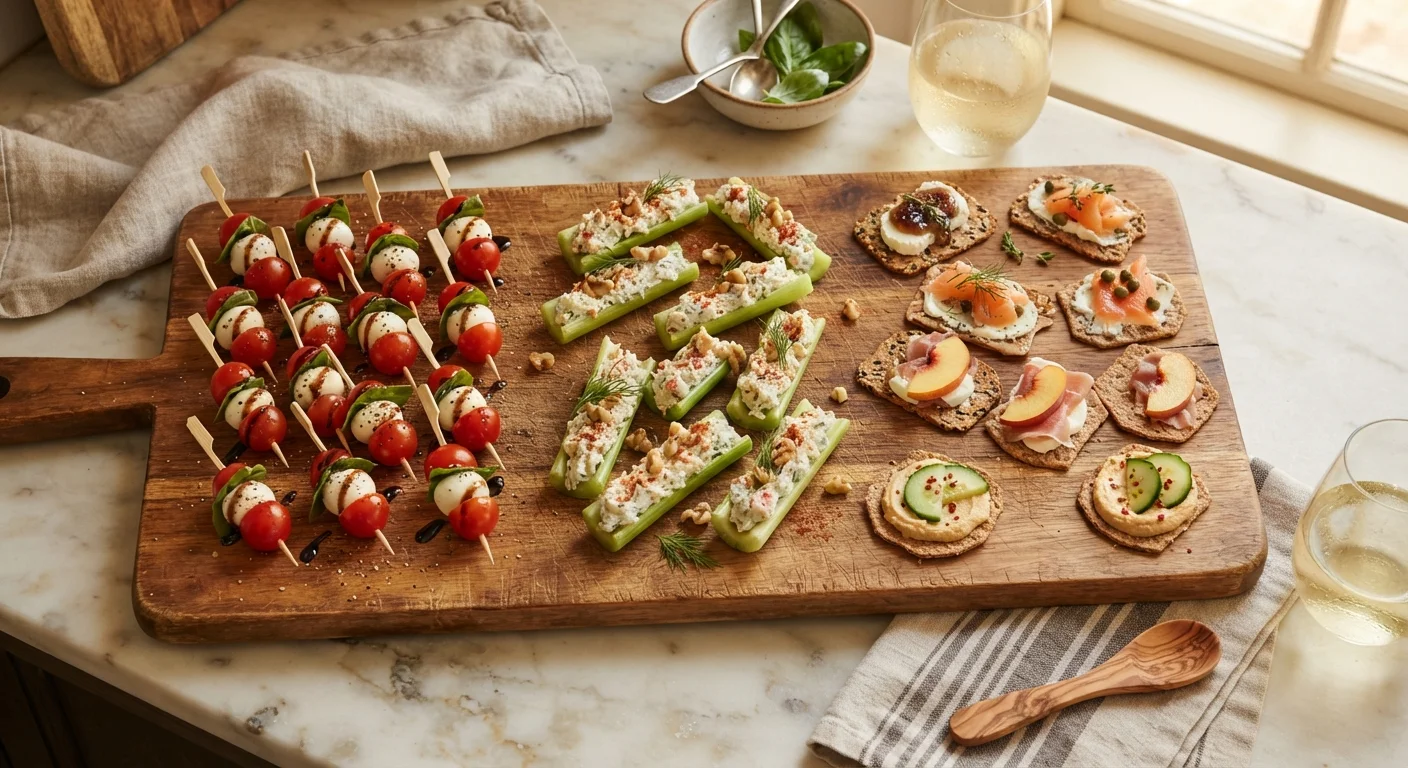
Photo credit: thetastyliving.com
In this article
Never made appetizers from scratch before? This beginner-friendly guide walks you through easy, inexpensive finger foods with clear, forgiving steps.
Key Takeaways
- Finger foods are forgiving because small portions mean small mistakes are easy to fix or hide.
- Most beginner-friendly appetizers use pantry staples you likely already own.
- Preparation order matters more than cooking skill when you are new to appetizers.
- Keeping a short ingredient list reduces cost and decision fatigue at the same time.
- A few reliable recipes done well beats a large spread of dishes you have never attempted.
Why finger foods are a smart starting point
New cooks often assume appetizers are harder than main dishes. In practice, the opposite tends to be true. Finger foods are small, which means prep happens in shorter bursts, you are working with less food at a time, and a single imperfect piece disappears into a platter without anyone noticing.
They also tend to be forgiving on the budget. Because portions are small, even a modest amount of an ingredient goes a long way. A single block of cream cheese, a can of beans, or a few eggs can yield enough bites to serve a full table. For more on what actually drives appetizer costs down, see what makes an appetizer affordable.
Starting with finger foods also means you can build confidence on a recipe-by-recipe basis. Master two or three simple ones, and you will already have a reliable party contribution ready at any time.
Five beginner-friendly finger foods you can make today
These five options use grocery staples, require little to no cooking, and come together in under 30 minutes.
- Caprese skewers: Thread a cherry tomato, a small piece of fresh mozzarella, and a basil leaf onto a toothpick. Drizzle with olive oil and a pinch of salt before serving.
- Stuffed celery: Fill celery stalks with peanut butter or cream cheese. Cut into two-inch pieces. Raisins or sliced olives on top add color at almost no extra cost.
- Deviled eggs: Hard-boil eggs, halve them, mash the yolks with mayonnaise and mustard, then spoon the filling back in. Paprika on top finishes them off.
- Pinwheel wraps: Spread a flour tortilla with cream cheese and any thin fillings you have on hand, such as deli meat slices, shredded cheese, or spinach. Roll tightly, then slice into rounds about an inch thick.
- Bean dip with chips: Blend a drained can of white or black beans with garlic, lemon juice, salt, and a splash of olive oil. Serve with tortilla chips. It doubles as a hummus alternative and costs a fraction of store-bought dips.
For more ideas built around what is already in your kitchen, pantry staples that double as appetizer ingredients is a useful quick reference.
Prep cold items last
If your finger food lineup includes both assembled bites and a dip, make the dip first and refrigerate it. Then assemble the individual pieces right before guests arrive. Cold dips get better as they sit, while assembled bites can go soggy or dry out if left too long. This order keeps everything at its best with the least stress.
Stocking your kitchen before you start
A small collection of reliable pantry items removes most of the friction from appetizer prep. You do not need a fully stocked specialty kitchen. The following basics cover the majority of beginner finger food recipes.
Mise en place
A cooking practice where all ingredients are measured, cut, and arranged before you begin. It prevents mid-recipe scrambling and makes the process go smoothly.
Binder
An ingredient like mayonnaise, cream cheese, or Greek yogurt that holds a filling or spread together so it does not fall apart or become too dry.
Acid
An ingredient such as lemon juice or vinegar that brightens flavor by balancing richness or salt. A small amount can make a flat-tasting dip come alive.
Platter staging
The way you arrange food on a serving dish before guests arrive. Grouping similar items and leaving some space makes the spread look intentional without extra effort.
Yield
The number of servings or pieces a recipe produces. Knowing the yield helps you decide whether to double a recipe before you buy ingredients.
Keep cream cheese, canned beans, eggs, olive oil, garlic, and a few dried spices on hand. Add one fresh vegetable and one protein when you shop, and you have the ingredients for several of the recipes above. Tortillas, crackers, and bread keep well and give you a vehicle for spreads and toppings without any cooking required.
If you are also thinking about simple weeknight dinners with similarly forgiving proteins, common chicken thigh prep mistakes covers errors that apply broadly to budget cooking.
Simple techniques every new cook should know
Three techniques show up repeatedly in beginner finger food recipes. Learning them well means most recipes become straightforward.
Mise en place
This French term (say: meez-on-plas) means getting every ingredient measured, chopped, and ready before you start assembling. It sounds like extra work, but it prevents the scrambling that leads to mistakes. Lay everything out on the counter before you touch a single ingredient.
Tasting as you go
Dips, spreads, and fillings need seasoning checks before they go onto the platter. Dip a cracker or a celery piece in and taste it. Add salt, acid (lemon juice or vinegar), or spice in small amounts until the flavor is where you want it. You cannot un-salt something, so add gradually.
Uniform sizing
Bite-sized food looks better and eats better when the pieces are roughly the same size. Use a ruler once or twice to get a feel for one-inch or two-inch pieces, then your eye will start to calibrate on its own. This matters most for pinwheels and stuffed celery.
For ideas that lean on oven techniques with minimal cleanup, sheet pan appetizers is a natural next step once you are comfortable with cold preparations.
Keeping costs low without cutting corners
A small appetizer spread does not need to cost much. A few practical habits keep it affordable.
Buy ingredients that do double duty. Cream cheese goes into both stuffed celery and pinwheel wraps. A bag of tortilla chips serves alongside bean dip and can be crushed as a topping for other dishes later in the week. When every ingredient has more than one use, waste drops and cost follows.
Avoid scaling up too aggressively before you know how much your group actually eats. Over-buying is one of the most common ways new cooks overspend. portion and prep mistakes that waste money walks through the specific patterns to watch for.
Seasonal produce costs less than out-of-season items and usually tastes better too. Cherry tomatoes, cucumbers, and bell peppers are available at low prices through much of the year and work in nearly every finger food category.
Planning a full appetizer spread for a party becomes much easier once you have a few of these recipes in regular rotation.
Frequently Asked Questions

Author
Appetizers Editorial Team
Appetizers Editorial Team is the collective byline for our editorial team and contributor network. Articles published under this byline or an editorial pen name are researched, written, and reviewed according to our editorial standards for clarity, consistency, and independence before publication.
View all articles →