
What Makes an Appetizer Actually Affordable
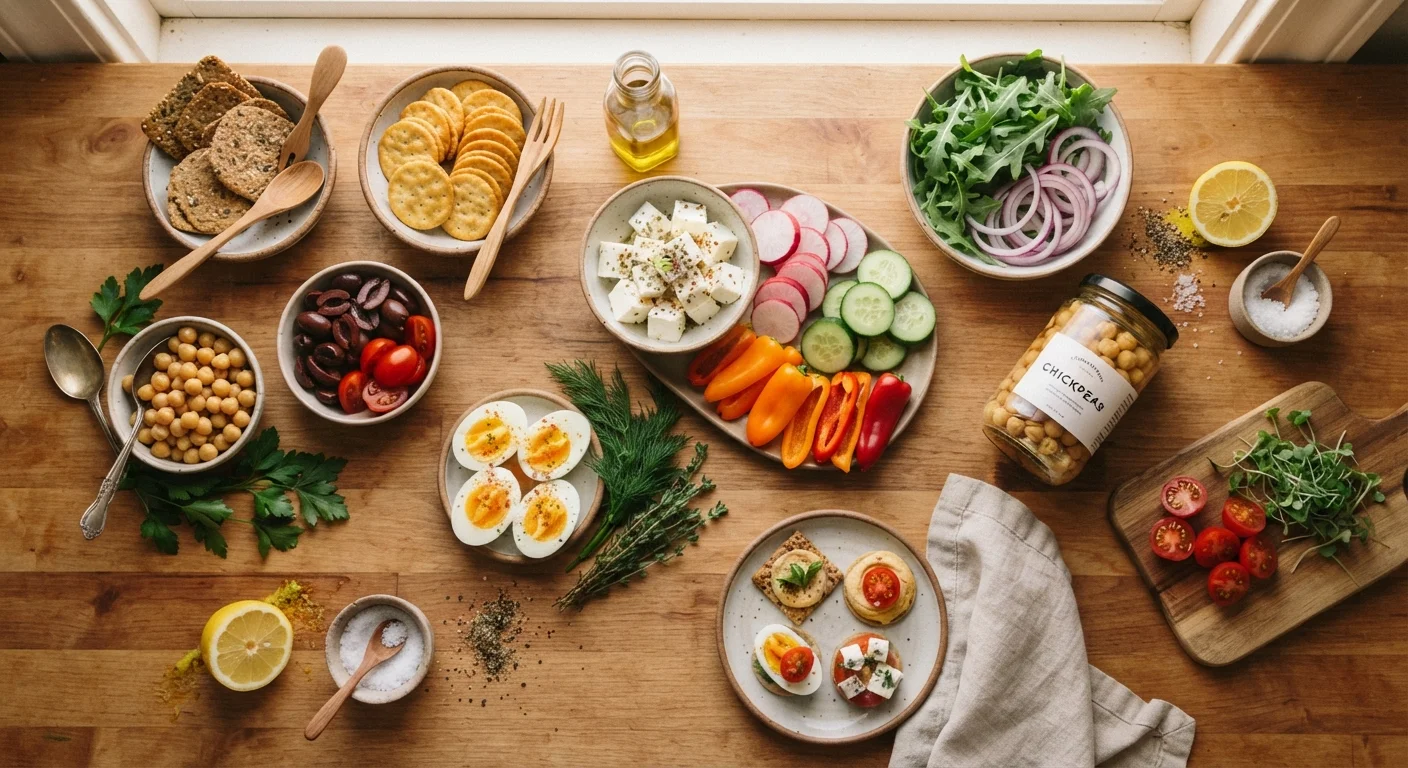
Photo credit: thetastyliving.com
In this article
Not all cheap appetizers are created equal. Learn what factors truly drive cost down while keeping flavor and presentation high.
Key Takeaways
- Per-serving cost matters more than the total sticker price of any single ingredient.
- Pantry staples like canned beans, eggs, and dried spices stretch a small budget across many servings.
- Recipes with short ingredient lists and minimal waste consistently cost less to make.
- Seasonal produce lowers the raw material cost without reducing visual appeal.
- Homemade versions of popular appetizers almost always cost less than frozen or catered equivalents.
The real unit of cost: per serving, not per package
Most people look at the price tag on a package of ingredients and decide whether a recipe is affordable. That logic misses the point. A $4 block of cream cheese sounds pricier than a $2 bag of shredded mozzarella, but if the cream cheese recipe yields 20 servings and the mozzarella recipe yields 6, the cream cheese dish is the cheaper one.
The number that matters is cost per serving. Divide what you spend on all ingredients by the number of finished pieces or portions. Once you calculate that figure, comparisons between recipes become straightforward. This is also why large-yield recipes, like dips, stuffed mushrooms, or deviled eggs, tend to dominate any honest list of budget-friendly appetizers: the math works in their favor.
Frozen appetizers vs. homemade is a good test case. A frozen snack tray may look cheap on the shelf, but dividing its cost by the actual number of pieces often reveals a higher per-serving price than a simple homemade alternative made from pantry staples.
Ingredients that lower cost without lowering quality
Certain ingredients produce a large number of servings from a small purchase. Canned beans are the clearest example: a standard 15-ounce can costs under a dollar at most grocery stores and blends into a dip that feeds eight to ten people. Eggs follow the same logic. A dozen eggs, used in deviled eggs or mini frittatas, stretches further per serving than almost any prepared product at the same price.
Dried spices, pantry acids like vinegar or lemon juice, and staple fats like olive oil or butter are what transform inexpensive base ingredients into something that actually tastes good. These items cost very little per use because recipes only call for small amounts, and a single bottle or container lasts through dozens of recipes.
Use whole units to cut waste
Build your appetizer recipes around complete package quantities whenever possible. If a dip calls for one full can of chickpeas and one full lemon, you spend nothing on leftovers sitting in the fridge. When a recipe calls for partial amounts of multiple perishables, the unused portions quietly add to your real cost.
Seasonal produce cuts raw material cost further. When tomatoes, zucchini, or sweet corn are in season, their price drops and their flavor improves. A bruschetta or a corn salsa made with in-season produce costs less and tastes fresher than the same recipe made with out-of-season alternatives. For a broader look at how seasonal timing affects your grocery spend, see what seasonal eating actually means for your grocery budget.
Our pantry staples appetizer reference lists specific items worth keeping on hand so you can pull together a solid spread without a dedicated shopping trip.
Recipe structure: where waste adds cost
Short ingredient lists are cheaper to execute than long ones, not just because you buy fewer items, but because each item gets fully used. A recipe that calls for half a red onion, a quarter cup of cilantro, and two tablespoons of sour cream leaves partial containers in the fridge. Those leftovers represent money spent that never made it onto a plate.
Recipes built around whole units, such as one full can, one full block, or one full bunch, waste less. The same logic applies to preparation methods. Sheet pan cooking, for instance, lets you cook multiple components at once with minimal added cost. Our article on sheet pan appetizers walks through how to apply this approach practically.
Portion accuracy also shapes total cost. Buying for 20 people when 12 will attend inflates your spend before you even start cooking. Party appetizer planning covers realistic portion estimates so ingredient quantities stay proportional to actual need.
Presentation does not require expensive ingredients
A common assumption is that an appetizer needs to look impressive, and impressive must mean costly. That link is weak. A platter of deviled eggs garnished with smoked paprika looks polished and costs very little. A white bean dip served in a bowl with a drizzle of olive oil and a few whole herbs reads as intentional and appealing without adding meaningful cost.
The visual appeal of an appetizer comes mostly from contrast, color, and arrangement, not from ingredient price. Sliced cucumbers, cherry tomatoes, and carrot sticks arranged around a homemade dip look as inviting as most purchased items. If you want to see how this plays out on a larger spread, cheese boards often look more expensive than they are for exactly this reason.
New cooks who want low-effort options that still look good can find a practical starting point in our guide to simple finger foods for beginner cooks.
$0.10 to $0.25
Typical cost per serving for bean-based dips
Based on average US grocery prices for canned legumes and common pantry ingredients used in standard dip recipes.
12 servings
Average yield from one dozen eggs used in deviled eggs
A standard deviled egg recipe produces two halves per egg, yielding 24 pieces from one dozen eggs, typically shared among 10 to 12 guests.
30% to 50%
Estimated waste reduction from whole-unit recipes
Recipes built around complete package units, such as a full can or full bunch, reduce unused ingredient leftovers compared to partial-use recipes.
Frequently Asked Questions

Author
Appetizers Editorial Team
Appetizers Editorial Team is the collective byline for our editorial team and contributor network. Articles published under this byline or an editorial pen name are researched, written, and reviewed according to our editorial standards for clarity, consistency, and independence before publication.
View all articles →