
Salt, Acid, Fat, Heat: Understanding the Four Levers of Everyday Flavor
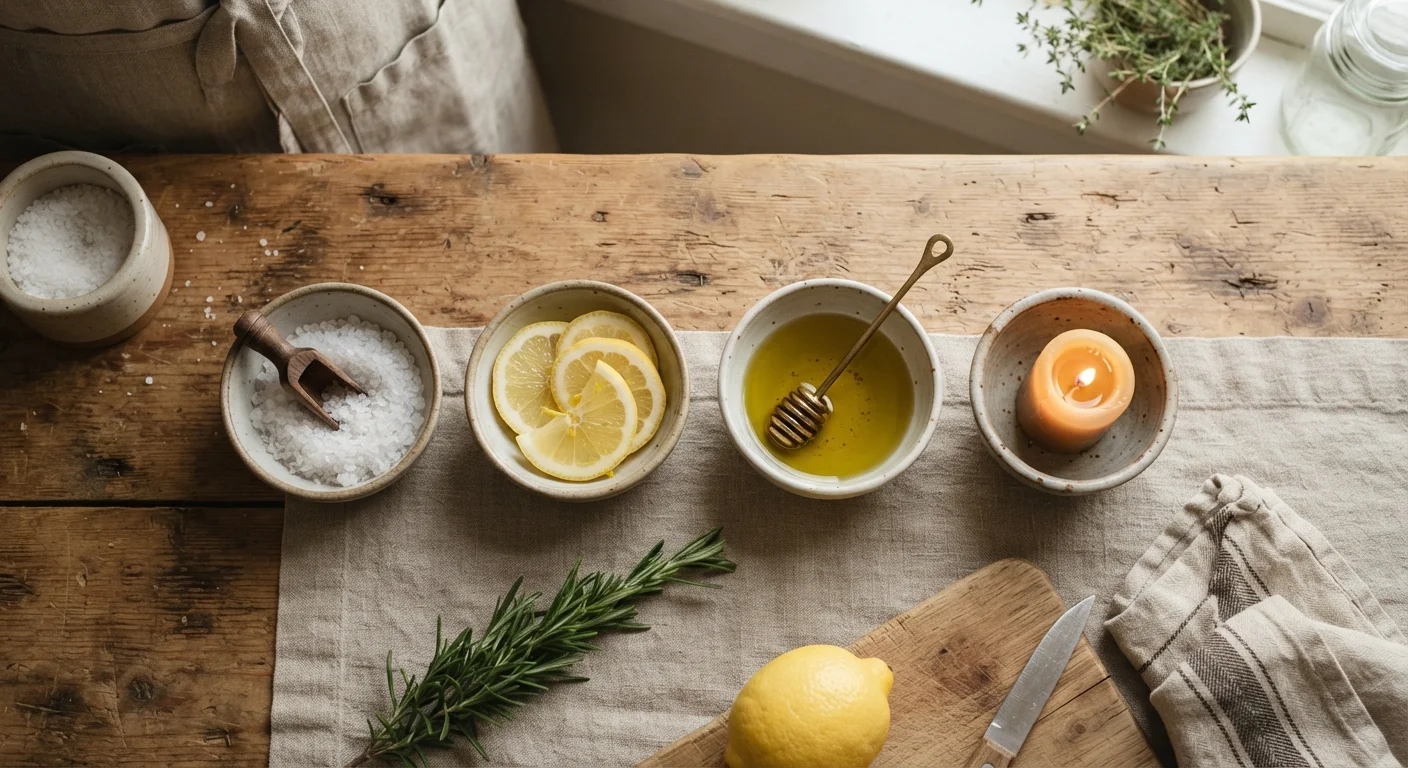
Photo credit: thetastyliving.com
In this article
Most bland home-cooked meals come down to one missing element. Learn how to diagnose and fix flavor problems using just these four cooking principles.
Key Takeaways
- Most bland home-cooked meals are missing one of four fixable elements: salt, acid, fat, or heat.
- Adding acid near the end of cooking is one of the fastest ways to brighten a flat-tasting dish.
- Fat is not just a cooking medium; it carries and concentrates flavor throughout a dish.
- Proper heat management determines whether food browns, steams, or burns.
- Diagnosing which element is missing takes practice, but the process is straightforward and learnable.
Why most bland meals share the same problem
When a meal falls flat, cooks often assume the recipe was bad or the ingredients were low quality. In most cases, one of four elements was either absent or applied at the wrong moment. The framework of salt, acid, fat, and heat gives you a way to diagnose problems rather than guess at solutions.
This matters for budget cooking in particular. Cheap cuts of meat, dried legumes, canned vegetables, and bulk grains all have real flavor potential. That potential goes unrealized when seasoning is timid, acid is skipped, fat is treated as something to minimize, or heat is mismanaged. Understanding what each element does lets you get full value from every dollar spent at the grocery store.
See our pantry-first planning guide for ideas on building meals from what you already have before this framework even comes into play.
Salt: more than seasoning
Salt does two things. It amplifies the existing flavors in food and suppresses bitterness. A dish that tastes one-dimensional often just needs more salt added earlier, not poured on at the table.
Salting meat before cooking, not after, allows the salt to penetrate and season throughout. Salting pasta water generously means the pasta carries flavor into the sauce rather than diluting it. Adding a pinch of salt to sweet batters or fruit desserts is not a mistake; it rounds out sweetness and brings other flavors forward.
The most common salt mistake is under-seasoning at every stage and then over-compensating at the end. Season in layers as you cook: after each major ingredient goes in, taste and adjust before moving on.
Salt early, taste often
Adding salt in small amounts at each stage of cooking produces better results than adding a large amount at the end. Taste after each major addition and adjust before moving to the next step. This habit alone can transform the consistency of home-cooked meals without any change in ingredients or recipes.
Acid: the element most home cooks skip
Acid includes citrus juice, vinegars, wine, buttermilk, yogurt, tomatoes, and fermented condiments like hot sauce. Its job is to cut richness, wake up dull flavors, and create contrast.
A pot of soup that tastes heavy can often be fixed with a tablespoon of apple cider vinegar or a squeeze of lemon. A grain bowl that seems uninspiring improves dramatically when the dressing has enough acidity. Braised meats benefit from a splash of wine or tomatoes in the cooking liquid because the acid counterbalances fat and keeps the dish from tasting one-note.
Timing matters. Add most acid near the end of cooking so it retains brightness. Long simmering mellows acid, which is sometimes desirable, but for a quick fix to a finished dish, fresh acid applied right before serving produces the sharpest result.
For more on how flavor builds in long-cooked dishes, our homemade stock guide covers how bones, peels, and aromatics build depth over time.
Fat: carrier and texture builder
Fat carries flavor compounds that are not water-soluble, which means many of the aromatic molecules in herbs, spices, and alliums only fully release when they contact fat. Blooming spices in oil before adding liquid is a direct application of this: the fat pulls flavor from the spice in a way water cannot.
Fat also contributes to texture. Emulsified fats, as in a vinaigrette or a pan sauce, coat the tongue and slow the pace of eating, which makes flavors linger. A salad dressed with only vinegar tastes sharp and thin. The same salad with oil added tastes balanced and substantial.
The goal is not to add fat indiscriminately but to use it purposefully. Finishing a vegetable saute with a small pat of butter, or drizzling olive oil over a finished soup, produces a different and usually better result than cooking everything in fat from the start.
4
Core flavor levers in any dish
Salt, acid, fat, and heat cover the full range of adjustments available to a home cook at any budget level.
1
Most common missing element in bland food
Culinary instructors consistently report that under-seasoning with salt is the single most frequent problem in beginner cooking.
Hundreds
New flavor compounds from browning
The Maillard reaction, triggered by high dry heat, produces a large number of new aromatic compounds not present in raw or boiled food.
Heat: control over flavor development
Heat is what converts raw ingredients into cooked ones, but the type and level of heat determines which flavors develop. High, dry heat (roasting, searing, grilling) produces browning through the Maillard reaction and caramelization. These reactions create hundreds of new flavor compounds that simply do not exist in raw or steamed food.
Low, moist heat (simmering, braising, slow cooking) breaks down connective tissue in tougher cuts and melds flavors over time. Neither approach is superior; they produce different results and suit different ingredients.
The most common heat problem in home kitchens is a pan that is not hot enough. When protein hits a cold pan, it releases moisture and steams rather than searing. The fix: preheat the pan, add fat when it shimmers (for oil) or melts (for butter), and then add the food without crowding it. This single change improves the flavor of almost any sauteed or pan-cooked dish.
For skill-building that complements heat control, our knife skills guide covers prep techniques that affect how evenly food cooks.
Using the four elements together
The framework works because the four elements interact. Proper browning (heat) followed by deglazing with wine (acid) and finishing with butter (fat) produces a pan sauce that no single element could create alone. A well-salted dressing with enough acidity and fat will make even budget salad greens taste intentional.
When a dish does not taste right, work through the four elements in order. Taste first and ask whether it needs salt. If salt alone does not fix it, try a small amount of acid. If the dish tastes thin or harsh, consider fat. If the texture or flavor lacks depth, evaluate whether the heat was high enough or the cooking time sufficient.
This diagnostic habit applies to simple appetizers just as much as to main courses. A dip, a spread, or a small bite can all be improved by working through the same four questions. The same logic applies when reheating leftovers: a dish that tasted right the first time often needs a small acid or salt adjustment after refrigeration.
Frequently Asked Questions

Author
Kitchen Tips & Tricks Editorial Team
Kitchen Tips & Tricks Editorial Team is the collective byline for our editorial team and contributor network. Articles published under this byline or an editorial pen name are researched, written, and reviewed according to our editorial standards for clarity, consistency, and independence before publication.
View all articles →