
Why Your Leftovers Never Taste as Good (and the Reheating Fixes That Work)
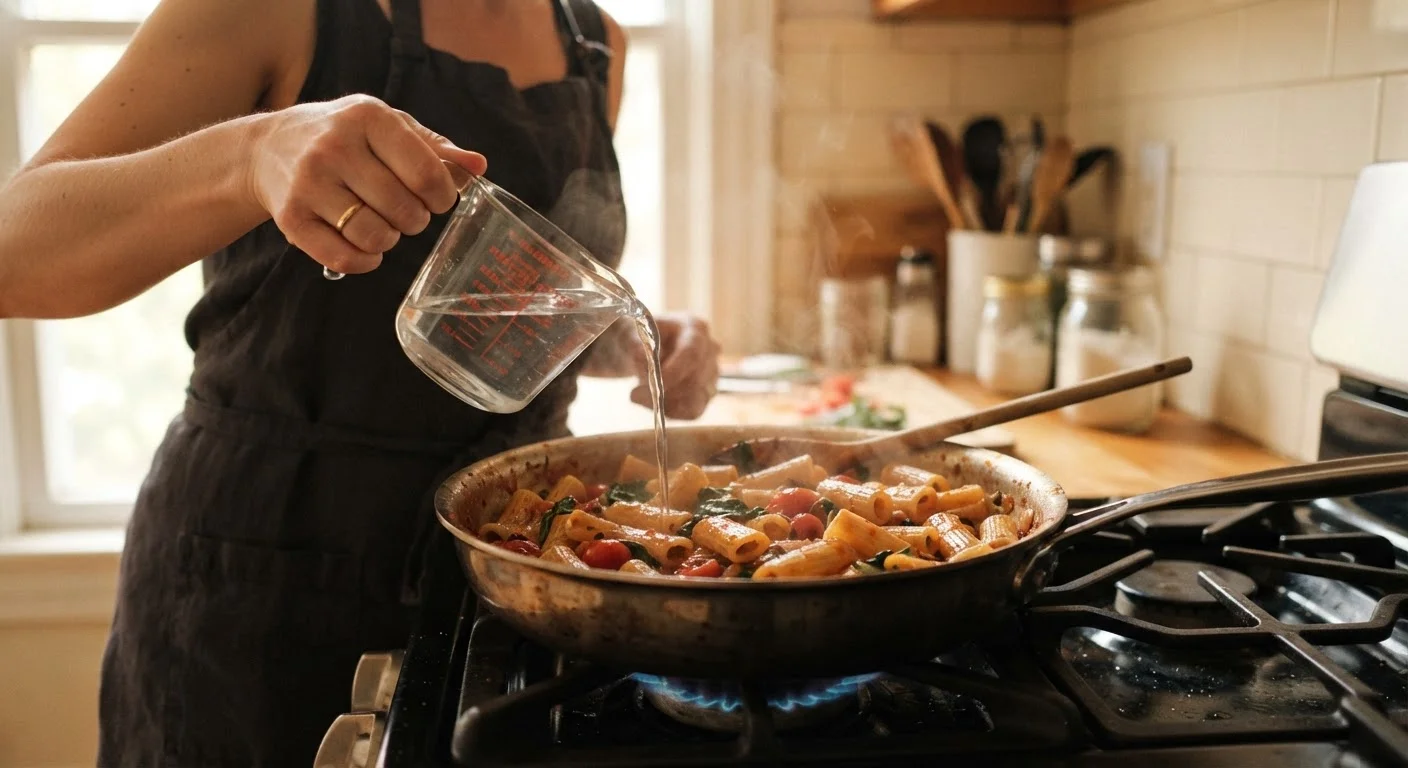
Photo credit: thetastyliving.com
In this article
Moisture loss, carryover cooking, and oxidation are the real culprits behind disappointing next-day meals. Here is how to reheat almost anything properly.
Key Takeaways
- Moisture loss during reheating is the most common reason leftovers turn dry and tough.
- Carryover cooking in a microwave continues after the timer stops, often leading to overcooked food.
- Matching the reheating method to the food type consistently produces better results.
- A splash of water, broth, or sauce before reheating can restore texture in most dishes.
- Refrigerated starches like rice and pasta need gentle, covered reheating to taste fresh again.
Why leftovers disappoint in the first place
Most leftover meals fail before they ever reach the reheating stage. The real problem is a combination of moisture loss, continued cooking after the heat is off (carryover cooking), and the chemical changes that happen as food cools and sits in the refrigerator. Understanding these three mechanisms tells you which fix to apply.
Moisture loss happens at every stage: during the original cook, when the food is stored uncovered or loosely wrapped, and again during reheating. Proteins like chicken and beef lose water when heated above certain temperatures, and reheating pushes that process further. Fats also migrate and separate as food cools, which is why a reheated sauce can feel greasy and thin at the same time.
Starches go through retrogradation as they cool. The starch granules in rice, pasta, and bread re-crystallize into a firmer structure, which is why day-old rice is harder and cold pasta feels gluey. Heat alone does not reverse this completely. You need moisture and the right method together to get a reasonable result.
Oxidation affects flavor, particularly in dishes with garlic, onions, or cruciferous vegetables. These compounds continue reacting after cooking and can produce off-notes that were not in the original meal. Good storage in airtight containers slows this considerably. See food storage habits that reduce waste for practical container and labeling approaches that keep leftovers in better condition from the start.
The most common reheating mistakes (and how to fix them)
Reheating everything in the microwave at full power without any added moisture.
Why it happens: The microwave is fast and convenient, so most cooks default to it without adjusting settings or preparing the food first.
Reheating proteins like chicken or fish over high direct heat, which squeezes out remaining moisture.
Why it happens: High heat feels faster and a hot pan seems like it should produce better results, but proteins tighten and lose water rapidly above moderate temperatures.
Reheating pasta or rice dry, causing the starches to harden and clump.
Why it happens: Refrigeration causes starch granules to re-crystallize in a process called retrogradation, which makes cold pasta and rice stiff. Reheating without moisture does not reverse this.
Skipping the rest period after microwaving, then judging the food as cold when it is actually still equalizing temperature.
Why it happens: Microwaves heat unevenly, leaving hot spots and cool pockets. Most people eat immediately and assume the food underperformed when carryover heating just needed more time.
Reheating soups and stews without stirring, leaving the bottom scorched and the top lukewarm.
Why it happens: Liquid dishes feel forgiving, so cooks often set a pot on the stove and walk away without managing heat.
One pattern worth noting: the fixes above share the same logic. Lower heat, added moisture, and a covered cooking environment solve most reheating problems across every food category. Applying those three principles before you choose a method will produce better results than any specific technique alone.
For dishes where flavor has dulled overnight, a small amount of acid or fresh seasoning added after reheating can restore brightness. A squeeze of lemon over reheated fish, a pinch of salt stirred into reheated soup, or a drizzle of good olive oil over reheated vegetables all compensate for the flavor losses that happen during storage. The principles behind this are explained in detail in understanding the four levers of everyday flavor.
If you find yourself with broth or cooking liquid left over from the original meal, save it separately. Adding even two tablespoons of the original cooking liquid back during reheating does more than plain water because it carries flavor compounds that replenish what evaporated. This approach connects directly to the habit of making stock from kitchen scraps: a small jar of homemade stock in the refrigerator becomes the best reheating liquid you can use.
Matching the method to the food
Microwaving on full power overcooks food
Running a microwave at 100% power blasts uneven bursts of energy into food, cooking the outside before the center warms through. Use 50% or 60% power for most leftovers and stop to stir or flip halfway. This one adjustment prevents the rubbery edges and cold centers that make reheated meals feel like a downgrade.
The microwave is appropriate for rice, soups, stews, casseroles, and most grain-based dishes. The oven works better for roasted vegetables, pizza, anything breaded or crispy, and large portions of protein. A skillet is the right tool for stir-fries, sauteed vegetables, eggs, and anything that benefits from a little caramelization on a second pass.
Fried foods are the hardest category. Reheating fried chicken or french fries in a microwave produces steam that destroys the crust. A preheated oven at 375-400 degrees Fahrenheit on a wire rack over a sheet pan allows hot air to circulate around the food, restoring some crispness. A dry skillet or an air fryer achieves a similar result.
For soups that have thickened overnight as gelatin from bones sets the liquid, add a small amount of water or stock before heating and expect to stir more frequently. Bone-based soups and stews often taste better the second day once flavors have had time to meld, so the goal is simply to reheat them without burning the solids.
Reheating rice safely matters
Cooked rice can harbor Bacillus cereus spores that survive cooking and multiply when rice sits at room temperature. Refrigerate leftover rice within two hours of cooking and reheat it to a steaming-hot 165 degrees Fahrenheit throughout before eating. Do not reheat rice more than once.
Planning meals that reheat well from the beginning is the most reliable strategy. Sheet pan dinners, for example, often reheat unevenly because the vegetables and proteins respond differently to a second round of heat. A look at where sheet pan dinners work and where they fall short can help you decide which meals are worth cooking in larger batches for the week.

Author
Kitchen Tips & Tricks Editorial Team
Kitchen Tips & Tricks Editorial Team is the collective byline for our editorial team and contributor network. Articles published under this byline or an editorial pen name are researched, written, and reviewed according to our editorial standards for clarity, consistency, and independence before publication.
View all articles →